
Opinion article in The Australian by Samantha McCulloch, Chief Executive of Australian Energy Producers, 23 September 2026.
Australia is competing globally for the investment that will shape our energy and economic future. From artificial intelligence and data centres to major manufacturing and energy projects, countries around the world are vying for capital, technology and skills.
Natural gas should be one of Australia’s great competitive advantages in that race.
We have abundant natural resources, decades of industry expertise and a strategic position on the doorstep of Asia’s growing economies. Locally produced gas already supports our electricity system, manufacturers and regional communities, while providing reliable energy to our trading partners.
Developing new supply will be critical to Australia’s future energy security and economic prosperity.
But gas projects often require billions of dollars in upfront investment and carry substantial commercial risk. Lengthy and complex approval processes mean it can take a decade or more to move from exploration to production.
Securing that investment requires confidence that Australia will remain a competitive, stable and predictable place to do business. That confidence cannot be taken for granted.
Just as Australia needs new gas supply, the industry faces mounting uncertainty. The federal government is pursuing major gas market reforms through its proposed national reservation scheme, while well-funded misinformation campaigns and lawfare are aimed at stopping new projects altogether.
The opportunity for Australia is to restore our international competitiveness, and deliver a workable gas reservation scheme that provides long-term certainty for gas producers and users.
Industry supports a well-designed, prospective gas reservation policy.
We can all agree that Australian households and industry should have access to reliable and affordable gas.
The exposure draft released earlier this month contains sensible changes, including calibrating the reservation requirement more closely to domestic market needs and reducing ministerial discretion.
But significant problems with the proposed design remain.
The proposal to deliberately oversupply the east coast gas market to 110 per cent risks destroying investment signals and crowding out smaller, domestic-focused producers. Requiring producers to sell that gas – not just offer – into an already well-supplied gas market will compound those risks.
It would be perverse in the extreme if a domestic gas reservation policy meant we had fewer domestic-focused producers supplying the local market.
This goes to the heart of the investment challenge.
Artificially oversupplying the market might temporarily reduce prices, but it will also reduce competition and act as an immediate handbrake on investment in new supply. Australian consumers will ultimately pay the price through higher prices and greater risk of future shortfalls.
Industry will continue to work with all stakeholders to ensure the final reservation design meets the test of promoting sustained investment in new supply while ensuring Australian households and industry have access to the gas they need.
The same test should apply to tax policy. The industry contributed a record $21.9bn in taxes and royalties in 2024-25 and is already one of Australia’s largest corporate taxpayers.
Proposals for a 25 per cent tax on LNG exports, championed largely by anti-gas groups and politicians, would make Australian projects less competitive precisely when we need to attract more capital into new supply.
Recent analysis by Wood Mackenzie found an additional 25 per cent tax would push effective tax rates above 80 per cent for some projects, and slash project values by up to 94 per cent.
Australia is competing against the United States, Qatar, Canada and other major energy producers to meet Asia’s growing LNG demand.
Companies deciding where to invest billions of dollars compare projects across jurisdictions, and Australia’s competitiveness is lagging.
Governments cannot mandate private investment. They can only create the conditions to attract it.
Industry is ready to invest in unlocking Australia’s vast gas resources to meet growing domestic and global energy demand.
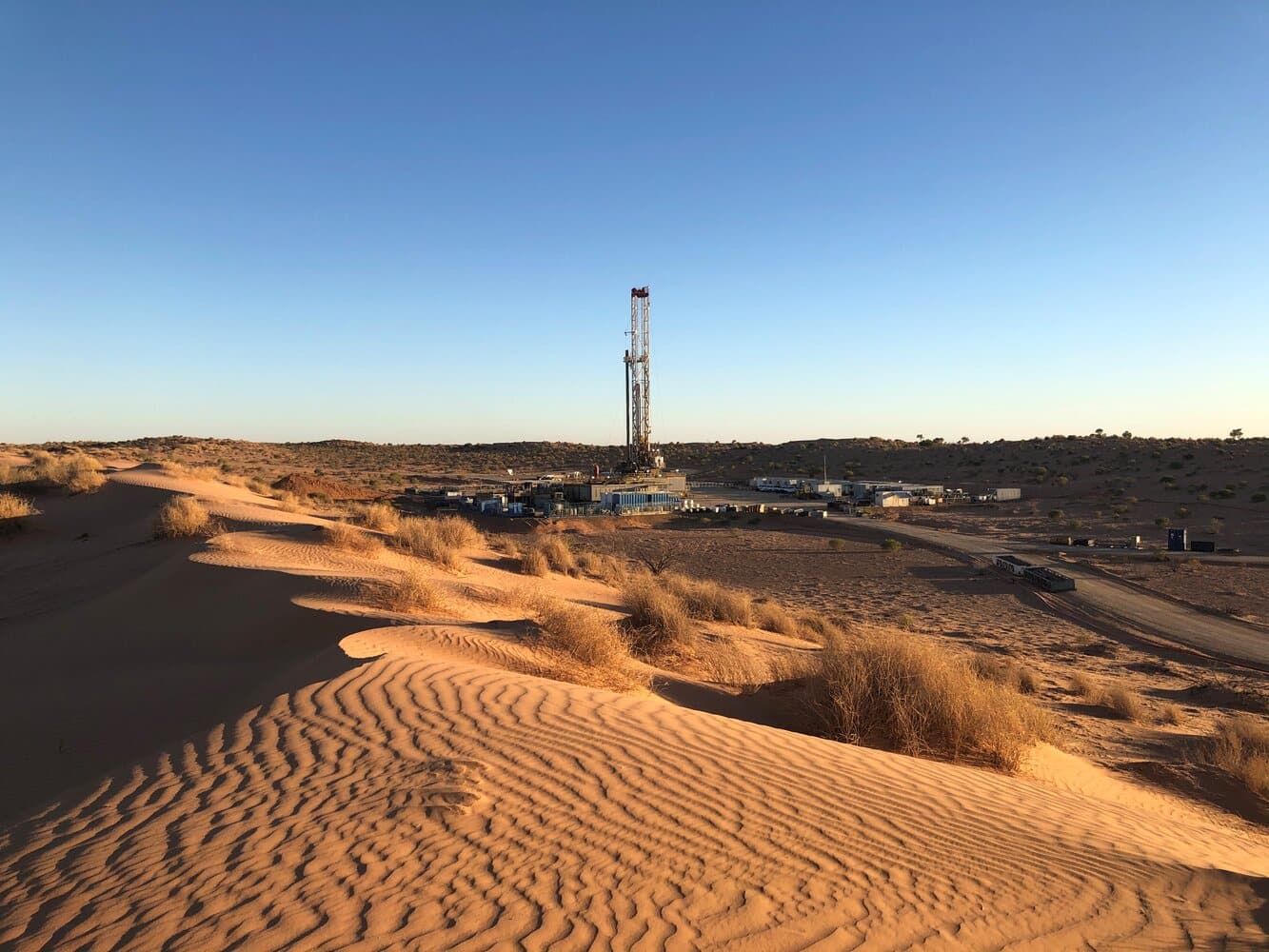
Opportunities are advancing around the country, from the Northern Territory’s Beetaloo Basin and Queensland’s Taroom Trough to Victoria’s offshore Otway Basin and Western Australia’s Browse project. These projects represent billions of dollars of investment, thousands of jobs and secure energy for Australians.
Global volatility and rising energy demand reinforce the importance of getting Australia’s policy settings right.
The International Energy Agency expects global energy demand to grow by up to 15 per cent by 2035, while data centre electricity use could almost triple.
Australia faces the same challenge. The Australian Energy Market Operator forecasts electricity consumption across the National Electricity Market will grow by more than 40 per cent over the next decade, with data centres a major driver. Meanwhile, the east coast gas market faces forecast gas shortfalls from 2030 without new gas supply.
This will require more energy, more infrastructure and sustained investment.
Australia has the gas resources to meet this challenge and a responsibility to develop them in the national interest.