
The NT Energy Advantage
Acknowledgment of Country
Good afternoon.
I would like to begin by acknowledging the Traditional Owners of the land on which we meet, the Larrakia People, and pay my respects to Elders past, present and emerging.
Introduction
This is an historic week for the Northern Territory.
First gas from the Beetaloo Basin is a major milestone – not only for our industry, but for all Territorians.
And, I believe, for Australia.
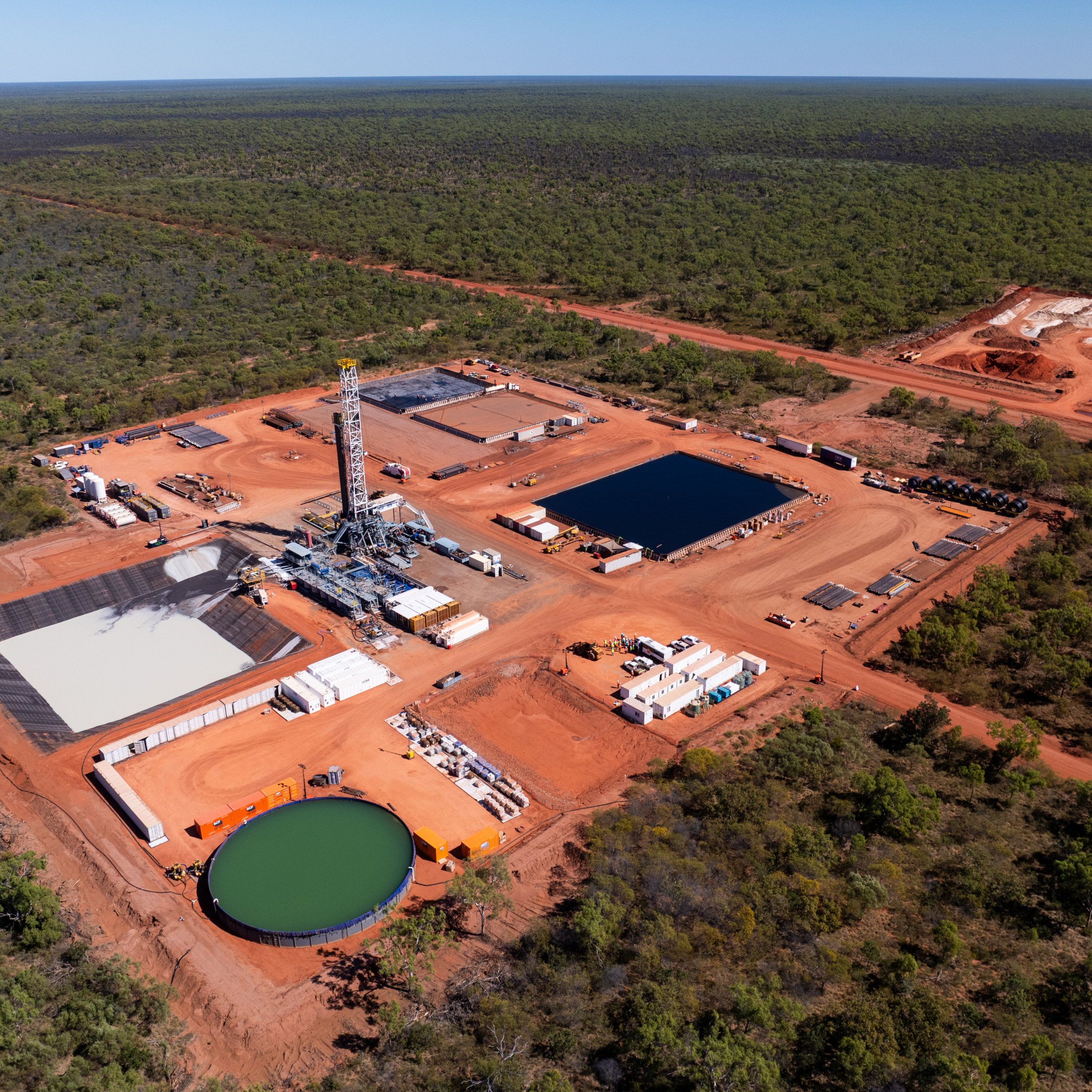
I congratulate Tamboran Resources and the NT Government on this achievement, and I feel incredibly fortunate to have had the opportunity to travel to the Shenandoah site yesterday for such an important moment.
The Beetaloo’s abundant natural gas resources can help shape Australia’s future: strengthening energy security, powering new industries and reinforcing our economic and strategic position in the Asia Pacific region.
It builds on decades of growth underpinned by a strong gas and LNG industry here in Darwin.
Today, the NT gas industry contributes around $2.3 billion a year to the local economy and supports around three and a half thousand jobs.
The NT Government forecasts economic growth of almost six per cent this financial year, driven principally by Darwin LNG’s return to production using Barossa gas.
As we heard this morning, INPEX and Santos continue to invest in the Territory to extend the life of their LNG projects, and in carbon capture and storage opportunities that could deliver significant industrial decarbonisation in Australia and across our region.
It is clear that there is enormous opportunity ahead for the gas industry to power the NT’s economic growth and prosperity.
The Beetaloo journey
That we stand here today, on the cusp of a new era for the Territory’s energy future, is testament to the vision and perseverance of the people and companies that believed in the Beetaloo’s potential.
For more than a decade, the Beetaloo has represented enormous promise.
The numbers show the scale of the opportunity.
The NT Government estimates the basin could hold 430 trillion cubic feet of gas, support more than 13,000 jobs by 2040 and generate over $17 billion in new economic activity over two decades.
That promise is now becoming reality.
The private sector has invested well over $1 billion exploring, appraising and preparing the Beetaloo for production.
That investment is already supporting local jobs and businesses, building regional infrastructure and – from this week – supplying local energy.
Beetaloo Energy is also on track to begin producing from its Carpentaria pilot project later this year – another sign that a competitive new industry is taking shape.
When the first Beetaloo exploration permits were granted just over 20 years ago, developers saw the opportunity to apply the horizontal drilling and hydraulic-fracturing technologies that were transforming the US shale industry.
But it has not been an easy journey. It has taken a lot longer than it should have.
The moratorium on hydraulic fracturing imposed ten years ago stalled development for several years.
That moratorium came despite the 2014 Hawke Inquiry finding that environmental risks could be effectively managed through robust regulation.
The Pepper Inquiry reached the same conclusion in 2018: with appropriate regulation, the risks could be reduced to acceptable levels or avoided.
Even then, another five years passed before all 135 Pepper recommendations were declared complete and production could proceed.
Imagine where the Territory might be today had science and expert advice prevailed sooner over misinformation and political pressure.
The Beetaloo has faced more scrutiny, review and community consultation than arguably any other development.
It is subject to some of the most stringent environmental standards anywhere in the world.
After a decade of reviews and red tape, it is time to get on with the job.
That is why our industry strongly supports Chief Minister Lia Finocchiaro’s resolve to back the Territory’s gas industry, grow the economy and secure the NT’s energy future.
Her government has backed that ambition with practical reforms to accelerate approvals and support the infrastructure needed to develop the basin, including:
- establishing the Office of the Territory Coordinator to help major projects navigate and speed up approvals;
- supporting enabling infrastructure; and
- releasing additional acreage this year to sustain onshore gas exploration.
Tacking lawfare
The Chief Minister has also called out the lawfare and activism that is designed to stop and delay critical energy projects.
And I commend the NT government for cutting taxpayer funding to these groups.
Australia’s energy future cannot afford to be held to ransom by extremist activism.
These groups are increasingly weaponising the legal system and funding misinformation campaigns in an attempt to drive away investment.
This is not grassroots environmentalism. It is a calculated campaign to undermine investment, jobs and energy security in Australia.
The ongoing, dishonest campaign against gas exports under the guise of tax reform is a case in point.
I acknowledge Resources Minister Madeleine King and Senator Susan McDonald for calling out the lies against our industry’s significant tax and economic contribution.
It highlights the need for greater transparency about who funds these activist organisations, and the interests driving their campaigns.
There must also be more accountability for these groups that use their charitable status to receive millions of dollars in often anonymous donations.
And there must be consequences for misconduct.
It’s time these organisations were held to the same standards as other political campaigners.
National Gas Reservation
The significance of this week’s Beetaloo first gas goes well beyond the Northern Territory.
The scale of the resource means the Beetaloo is well placed to supply the east coast, meet growing regional LNG demand and attract investment in the data centres driving the digital economy.
The Australian Energy Market Operator forecasts Victoria and NSW could face gas shortfalls during peak demand periods from 2029.
But getting Beetaloo gas to these markets in time will require investment in new supply and pipeline capacity, and faster approvals.
The Federal Government’s proposed gas reservation scheme should address these barriers instead of creating new ones.
Applying a 20 per cent reservation requirement to the Territory’s LNG operators would flood a small, isolated domestic market, deter Beetaloo investment and put long-term export contracts at risk – without delivering any additional gas to the east coast.
That is not energy policy. It is a recipe for less investment, less supply and greater sovereign risk.
And it is a recipe for less competition if it has the perverse outcome of driving smaller, domestic-focused producers out of the market.
Industry supports a prospective reservation policy linked to new supply.
But a reservation policy alone will not produce one extra molecule of gas.
We also need faster approvals, stronger investment signals, and expanded pipeline and storage capacity.
The focus should be on supporting new supply, building the infrastructure to connect the Beetaloo to the east coast, and backing our LNG industry that will underpin that investment.
I welcome Senator McDonald’s comments this morning and the Coalition’s commitment to work constructively with the government on a well-designed reservation policy that supports new investment, protects export contracts and recognises existing state reservation schemes.
Global energy context
Global events have highlighted the critical importance of getting our domestic policy settings right.
Volatile global energy markets and rising demand reinforce the value of Australia’s abundant natural gas resources, and the responsibility to develop them in the national interest.
The world is using more energy than ever before.
The International Energy Agency expects global energy demand to rise by between eight and fifteen per cent in the decade to 2035.
It also forecasts that, under current policies, global gas demand will continue growing through to 2050.
The digital economy’s demand for more energy is set to intensify.
Electricity use by data centres is projected to nearly triple by 2035, putting new pressure on power systems around the world and increasing the need for reliable, around-the-clock generation.
Australia faces the same challenge.
AEMO forecasts electricity consumption across the National Electricity Market will grow by more than 40 per cent over the next decade, with data centres accounting for a significant share of that increase.
Meeting that demand will require more energy from every source and more infrastructure.
Natural gas will remain essential in providing flexible, uninterrupted power when it is needed.
That creates a major opportunity for the Northern Territory, where gas already provides more than 80 per cent of electricity.
Making Australia a destination of choice for data-centre investment will require a pragmatic, technology-neutral approach that values reliability and affordability alongside sustainability.
I commend the Chief Minister for securing that practical approach at National Cabinet last week, ensuring Beetaloo gas can help attract investment in this fast-growing industry.
LNG opportunity
Asia’s growing LNG demand presents another major strategic and economic opportunity for Australia.
Wood Mackenzie forecasts global LNG demand will rise by almost 60 per cent by 2050, with the Asia Pacific accounting for around three-quarters of demand by mid-century, driven by population growth and industrialisation.
Australia is ideally placed to capture that opportunity, with our abundant resources, world-class expertise, proximity to customers and a record as a trusted supplier.
For our regional partners, Australian LNG is more than a commodity. It supports energy security, economic development and the transition from higher-emissions fuels.
For Australia, our LNG trade represents hundreds of billions of dollars in investment, deepened regional trade relationships and billions of dollars in taxes and royalties paid each year.
And, as the Prime Minister has recognised, our LNG exports are also helping secure reliable liquid fuel supply that Australians depend on.
Conclusion
This week marks an exciting new chapter for the Territory.
First gas takes the Beetaloo from potential to production.
There is more work to be done, but the NT has shown it has the resources, the people and the determination to unlock the enormous economic, strategic and energy security opportunity of the NT’s gas industry.
Thank you.