
Skip to content

Energy Security

25%

Of energy consumed in Australia is provided by gas

37%

Of energy used by Australian manufacturing is gas

17%

Of Australia’s electricity generation comes from gas

5m+

Australian homes use natural gas for heating and cooking
Arrow (3)

Australian natural gas is essential to our everyday lives.

It underpins our energy security, providing around 25 per cent of Australia’s primary energy needs.i  

Natural gas provides:

  • Energy to more than 5 million Australian households for gas cooking, heating and hot water
  • Reliable electricity for the power grid, supporting the transition to more renewables
  • 37% of energy used by Australia’s manufacturing sector

The Australian Government’s Future Gas Strategy confirmed natural gas will remain an important part of our energy mix to 2050 and beyond, and Australia will need continued investment in new gas projects to meet our long-term energy needs.
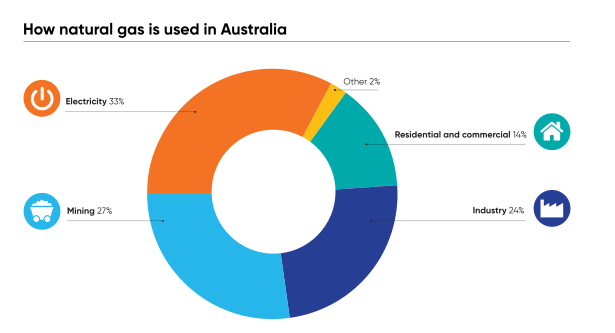
7_HowGasIsUsed_1

Energy for households and businesses

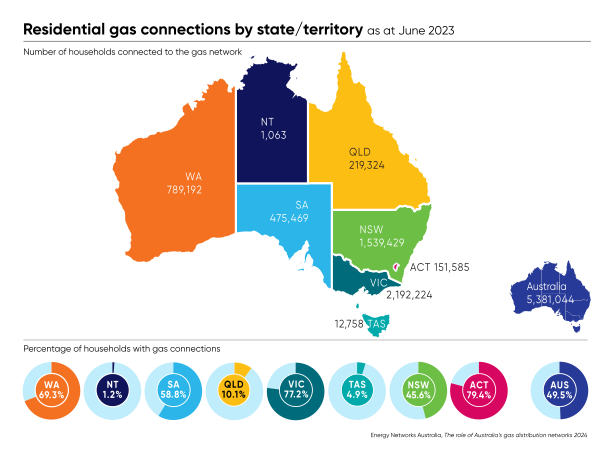
More than 5 million homes – around half of all Australian households – rely on gas for cooking, heating.ii  

Residential and small business gas use makes up around one fifth of Australia’s annual domestic gas demand.iii  

8_Gas Connections_2
Braemar2 1

Natural gas for reliable electricity

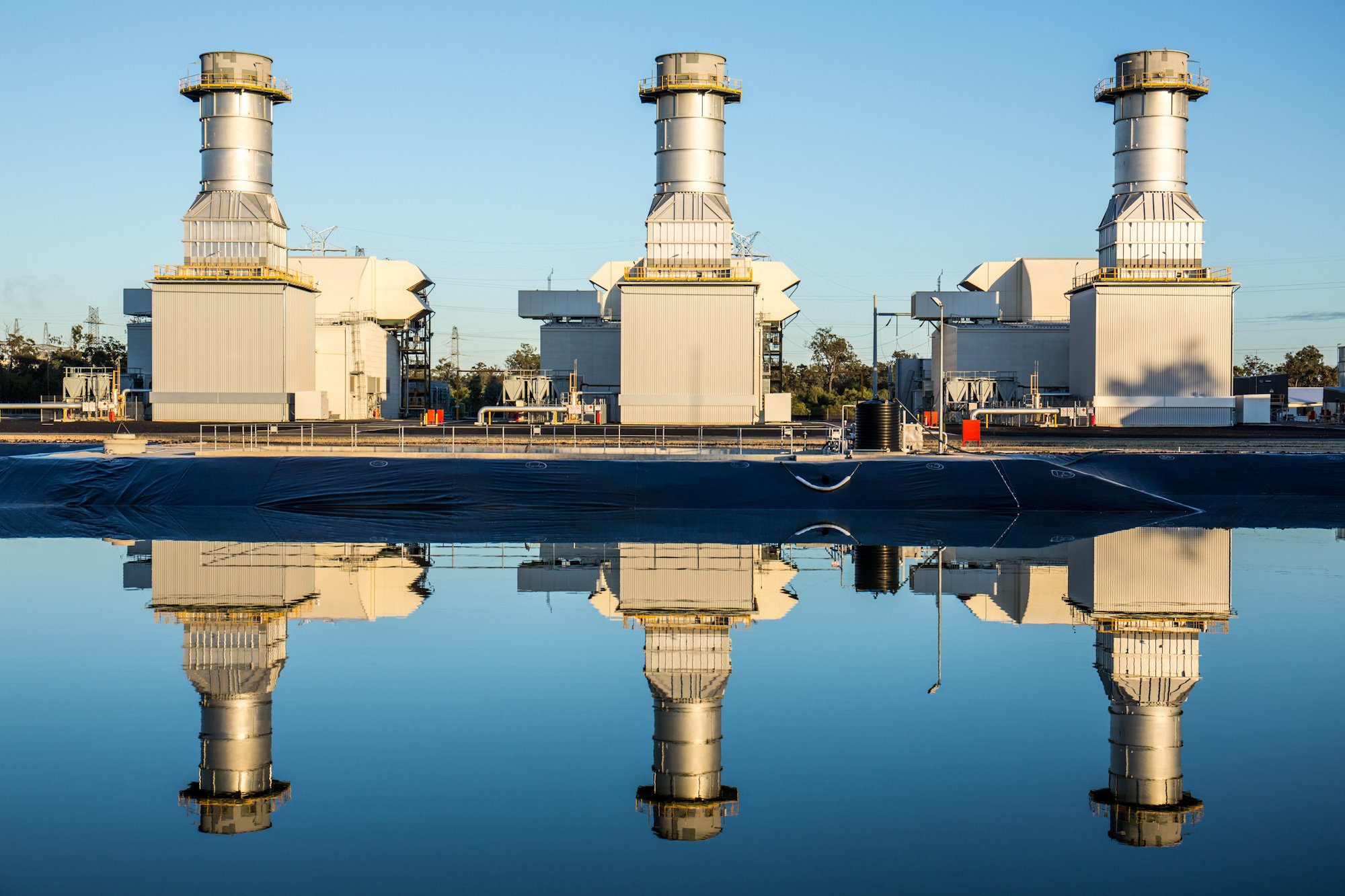
Natural gas plays a critical role in Australia’s electricity mix, providing reliable and flexible power for households, businesses and essential services.

Nationally, gas-powered generation accounts for 17% of Australia’s electricity mix.iv  In Western Australia and the Northern Territory, natural gas accounts for 60% and 84% of electricity generation respectively.v 

Across eastern Australia, natural gas provides essential back-up electricity to support a growing share of renewables as coal is phased out.

Gas power stations can be quickly turned on when electricity demand is high and conditions are not suitable for renewables, helping keep the lights stay on when we need it most.vi 

 The Australian Energy Market Operator (AEMO) forecasts increased demand for gas-powered generation in the National Electricity Market – which spans Queensland, NSW, Victoria, ACT, South Australia and Tasmania – over the next decade as coal retires. 
 

Renewable energy, connected by transmission and distribution, firmed with storage and backed up by gas-powered generation, is the lowest-cost way to supply electricity to homes and businesses as Australia transitions to a net zero economy. 

- Australian Energy Market Operator, Integrated System Plan 2024


Electricity generation by fuel type (%)
  NSW VIC QLD WA SA TAS NT AUS
Natural gas 2.9 2.7 12.1 60.1 24.9 2.9 83.9 17.3
Coal 60.5 60 58.7 17.4 0 0 0 45.6
Renewables 35.8 39 27.6 18 73.5 97 6.7 35

Source: DCCEEW, Australian Energy Update 2025, Table O

Hand_holding_GLASS_CMYK

Powering Australian industry and manufacturing

Natural gas is the main source of energy used in Australian manufacturing, providing around 37% of the sector’s energy needs to make essential products and materials that we use every day.vii 

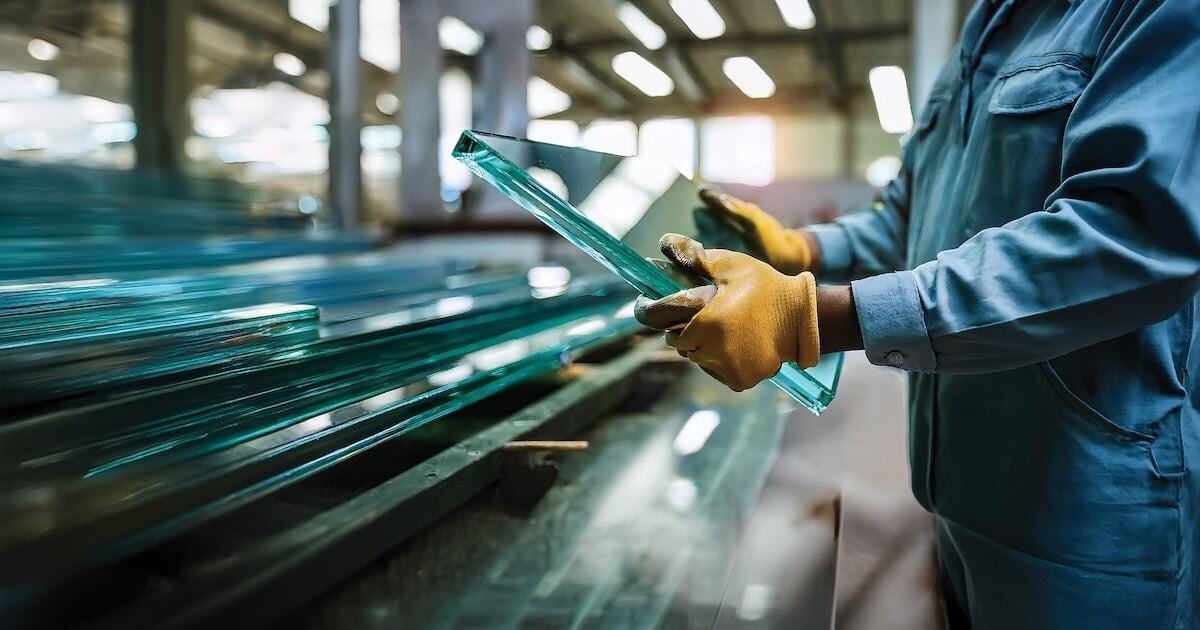
Natural gas is used in manufacturing and industrial processes to generate the extreme heat needed to transform raw materials into new materials and products – turning natural resources like bauxite, clay and silica sand into everyday products such as aluminium, bricks and glass. 

From food and pharmaceuticals to building materials and critical infrastructure, natural gas enables the production of everyday goods Australians rely on.

Natural gas is also a critical ingredient to make essential chemicals and products including fertiliser, ammonia, plastics, and solvents.


Natural gas is the largest source of energy for Australian industry... From the buildings we live and work in to the food we eat, society would look very different if we did not have access to industrial heat enewable energy, connected by transmission and distribution, firmed with storage and backed up by gas-powered generation, is the lowest-cost way to supply electricity to homes and businesses as Australia transitions to a net zero economy. 

- Australian Government, Future Gas Strategy, May 2024 


Frequently asked questions
Does Australia have enough gas?

Yes. Australia has enough undeveloped gas resources to meet our long-term domestic gas needs and remain a reliable energy partner in our region.

However, Australia’s long-term energy security will require continued investment in new gas exploration and development to find and produce enough gas to meet our long-term needs.

The Australian Government's 'Future Gas Strategy' recognised the need for continued investment in gas exploration and development to avert near-term supply shortfalls and meet Australia’s energy needs to 2050 and beyond.

“Without further investment in new gas supply and gas infrastructure, these shortfalls will negatively affect Australian households and businesses, and the reliability of our electricity system.”

  • Australian Government, Future Gas Strategy, May 2024

Can our electricity grid stop using gas as the share of renewables and batteries grows?

Not in the foreseeable future. While renewables and battery capacity is increasing, natural gas will still be needed for decades to come to provide reliable electricity during periods of high electricity demand and extended ‘renewables droughts’ when weather conditions don’t suit renewables.

The Australian Energy Market Operator (AEMO) confirms that natural gas will play an essential role in ensuring reliability of the electricity grid to at least 2050 as coal power retires and the share of intermittent (solar and wind) renewables grows.

“Renewable energy, connected by transmission and distribution, firmed with storage and backed up by gas-powered generation, is the lowest-cost way to supply electricity to homes and businesses as Australia transitions to a net zero economy.”

  • Australian Energy Market Operator, Integrated System Plan 2024
Can manufacturing stop using gas?

No. For many industries that use gas to generate extreme temperatures or that use gas an ingredient to make chemicals and products, there is no readily available alternative to using natural gas. Electricity cannot achieve the extreme temperatures needed. As the Australian Government’s Future Gas Strategy confirmed:

“Manufacturing cement, bricks, glass products, nitrogen-based fertiliser and electric vehicle batteries all depend on a reliable and affordable supply of gas.”

  • Australian Government, Future Gas Strategy, May 2024

For some industries, converting from coal to natural gas is the most viable way to significantly reduce emissions. The Australian Government’s Net Zero Plan found:

“Out to 2035, natural gas consumption in industrial sub-sectors such as steel and alumina manufacturers could grow, as they switch from coal to gas to reduce their emissions-intensity.”

  • Australian Government, Australia’s Net Zero Plan, November 2025
Is continued gas use compatible with Australia achieving zero by 2050?

Yes. In fact, natural gas is essential to reducing emissions towards net zero emissions by 2050.

Natural gas provides reliable back-up electricity for renewables as coal is phased out, and will continue to be needed to 2050 and beyond for manufacturing and minerals processing.

As the Australian Government’s Future Gas Strategy confirmed:

“Under all credible net zero scenarios, natural gas is needed through to 2050 and beyond, though its production and use will change over this period. Gas will be essential to the transition because our energy system needs gas to achieve net zero.”

  • Australian Government, Future Gas Strategy, May 2024

Australia’s oil and gas industry is also reducing emissions by driving Australia’s carbon capture, utilisation and storage (CCUS) potential, with the industry already operating two of the world’s biggest CCUS projects right here in Australia.

CCUS is a critical technology for reducing emissions from energy production and heavy industry by capturing CO2 emissions and storing them safely and permanently underground.

Citations

i DCCEEW, Australian Energy Update. August 2025 

ii Energy Networks Australia, The role of Australia's gas distribution networks 2024 

iii Australian Government, Future Gas Strategy, May 2024

iv DCCEEW, Australian Energy Update. August 2025 

v DCCEEW, Australian Energy Update. August 2025 

vi Australian Energy Market Operator, 2024 Integrated System Plan, June 2024

vii DCCEEW, Australian Energy Update. August 2025